Testing Fujifilm Recipes | Classic Continental

(Film simulation settings at end of post)
Classic Continental is a recipe that doesn’t try to take over the image.
It works best when the scene already has a lot of light and space. Winter makes that clear.
Where This Recipe Works Best
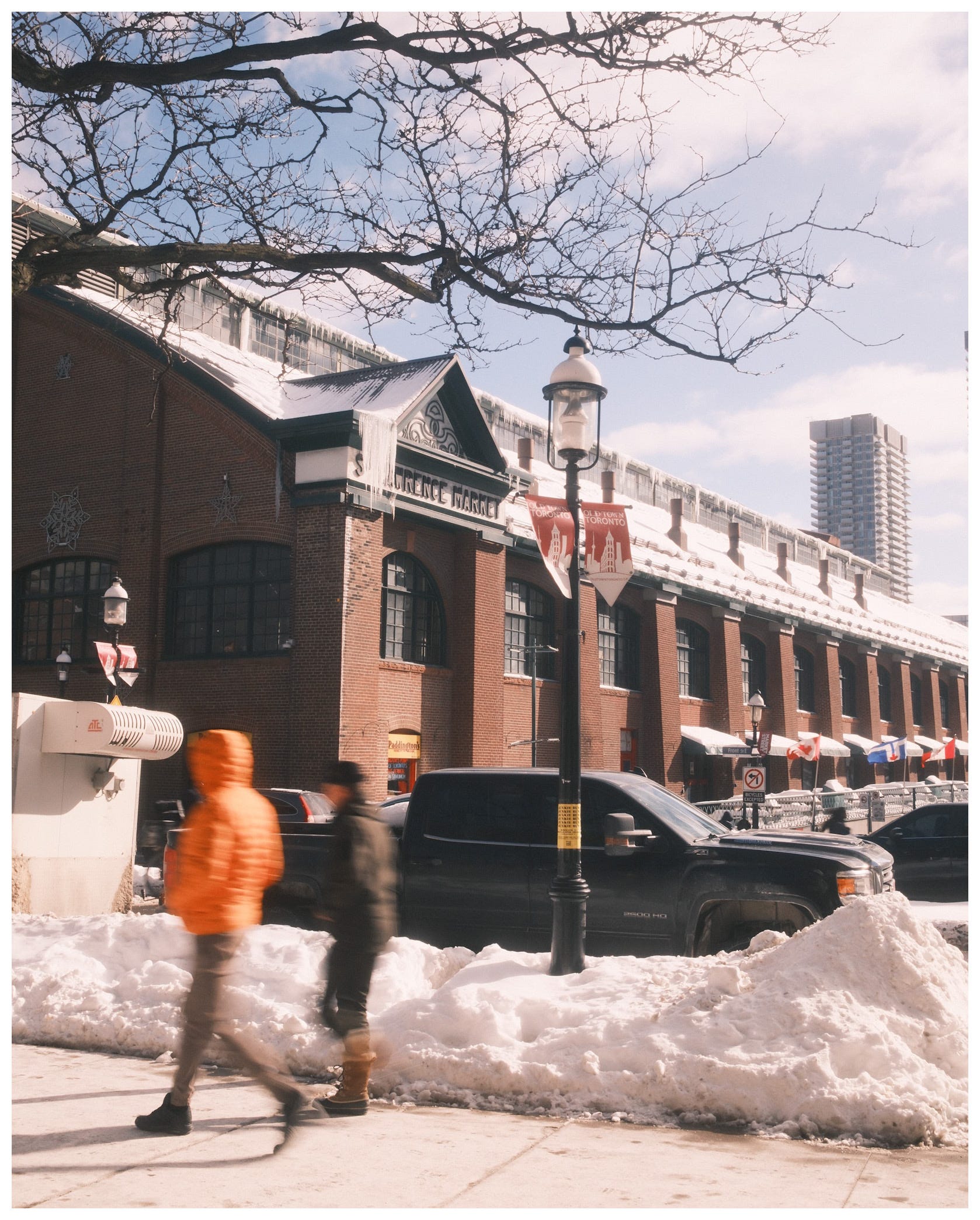
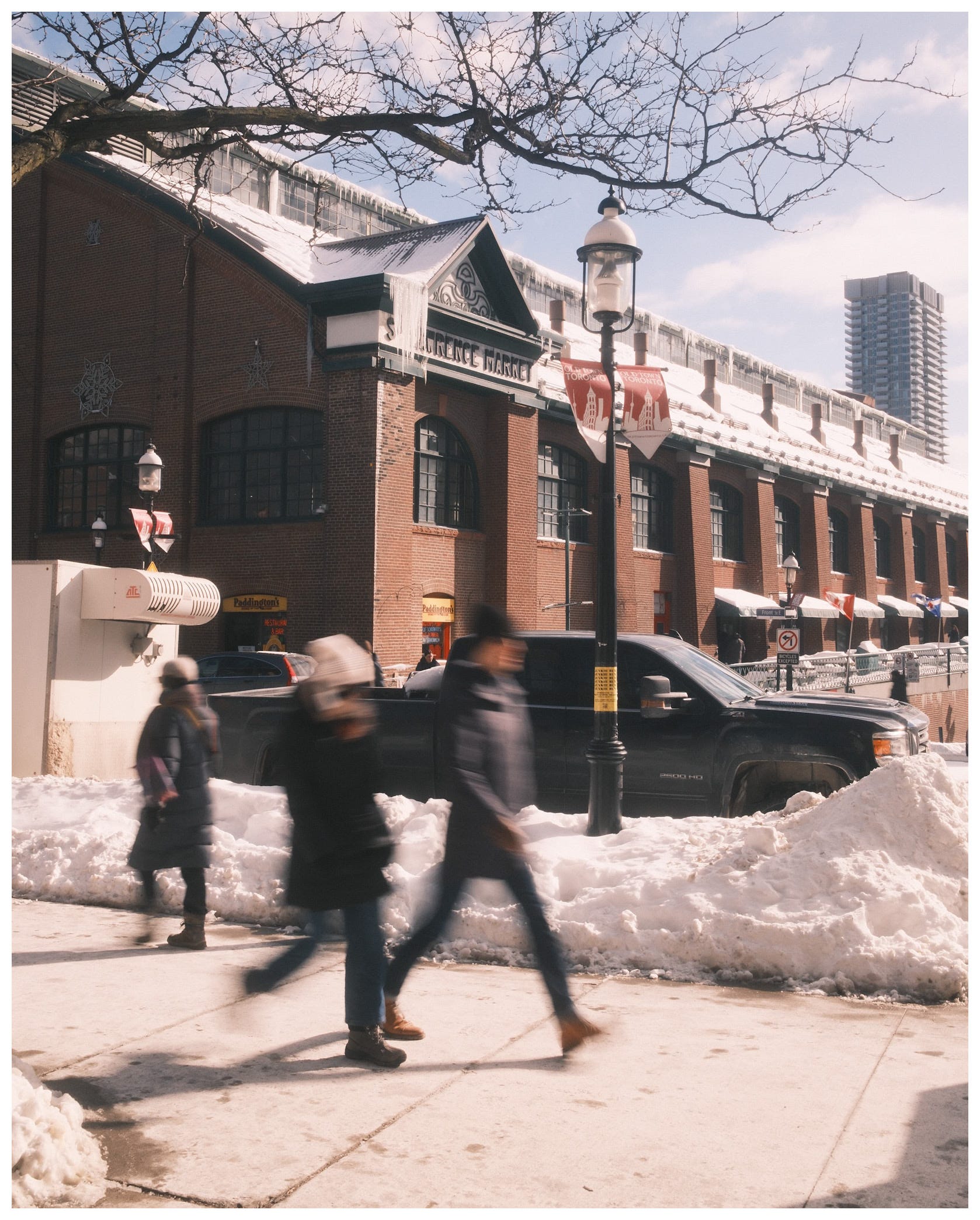
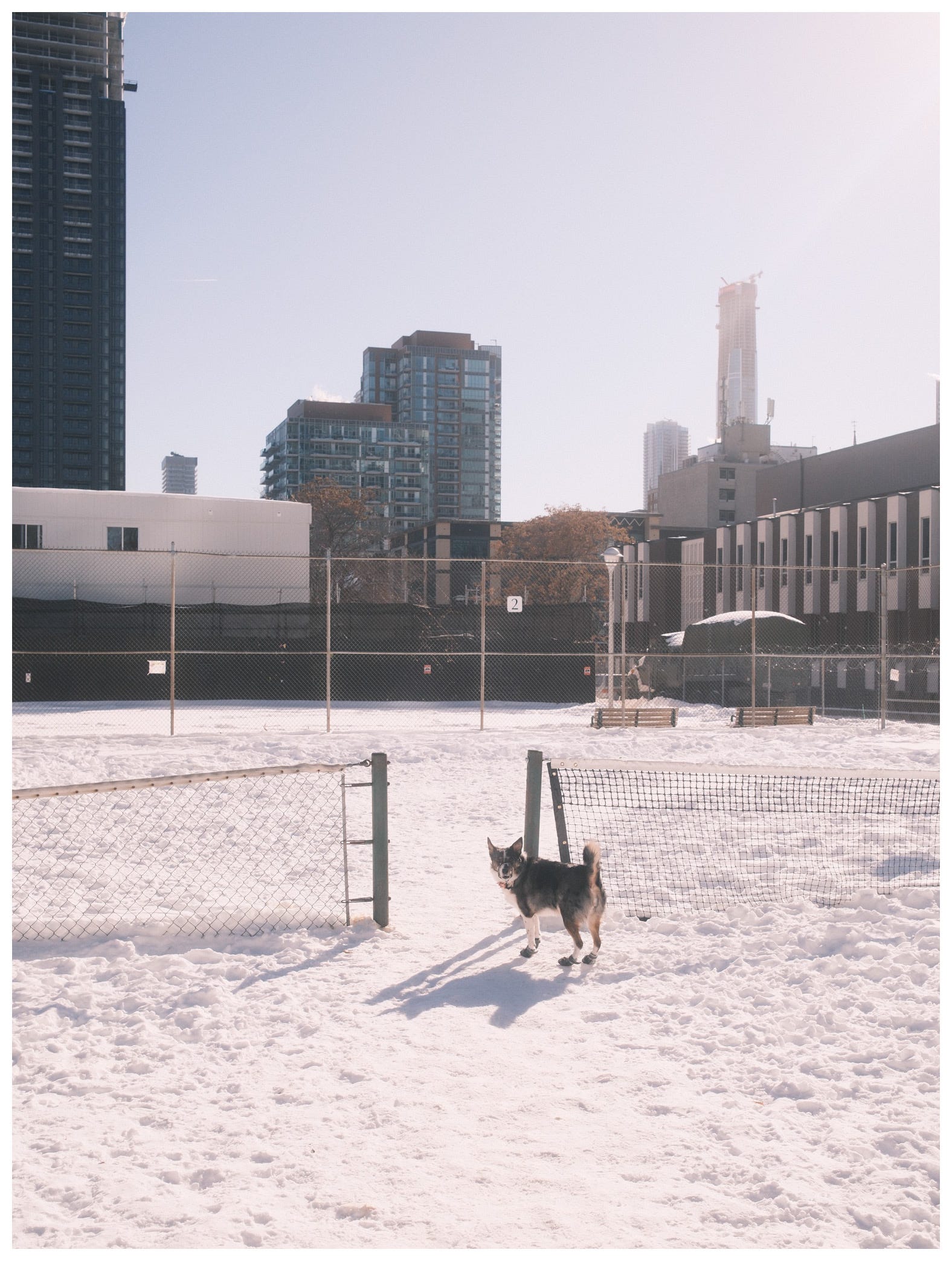
This recipe really shines when there’s a lot of white in the frame.
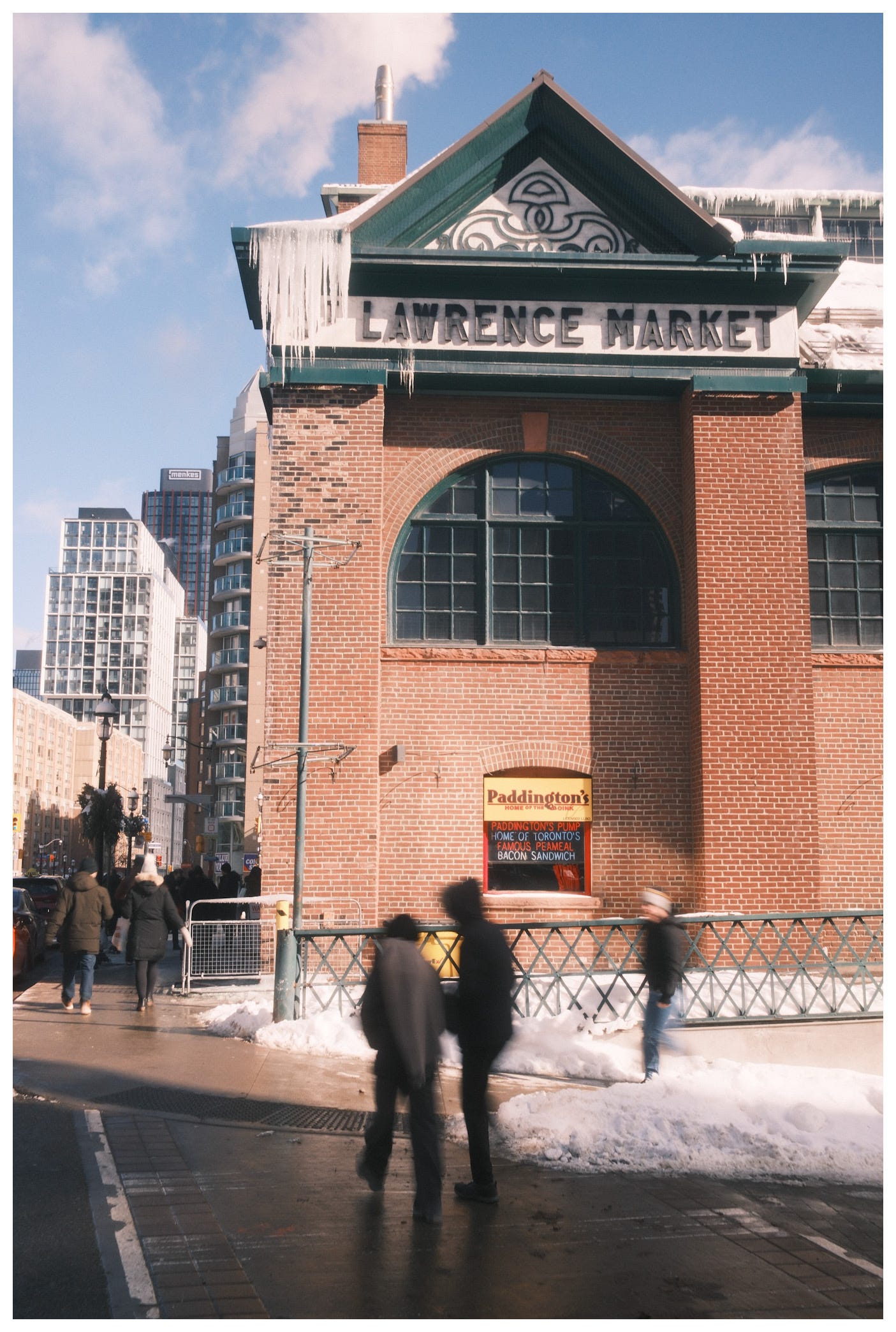
Snowy streets. Bright winter days. Pale skies. Light bouncing off concrete and glass. These are situations where images can easily turn flat or muddy, but Classic Continental handles them well.
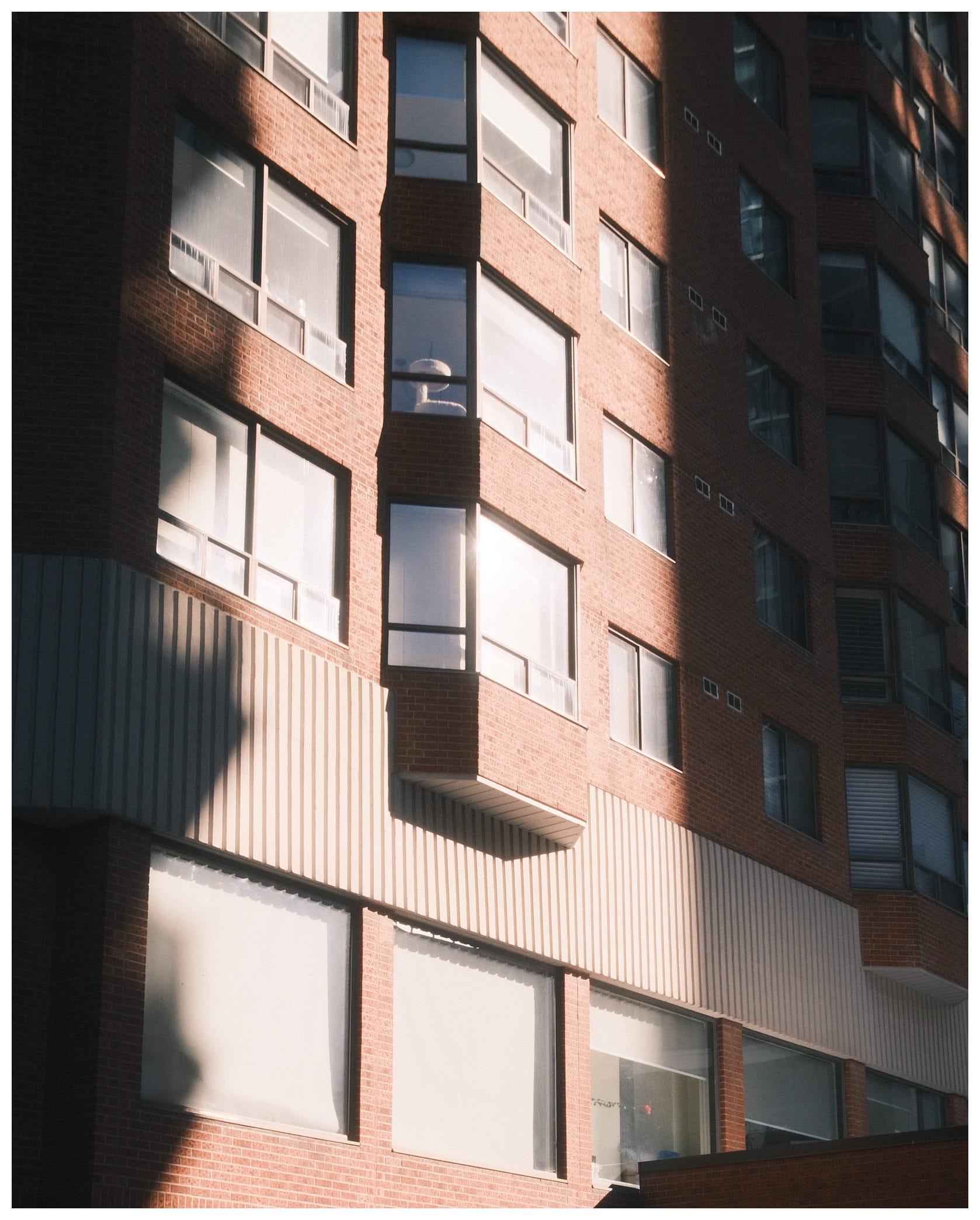
Whites stay clean. Shadows keep detail. Contrast stays under control.
Exposure Approach
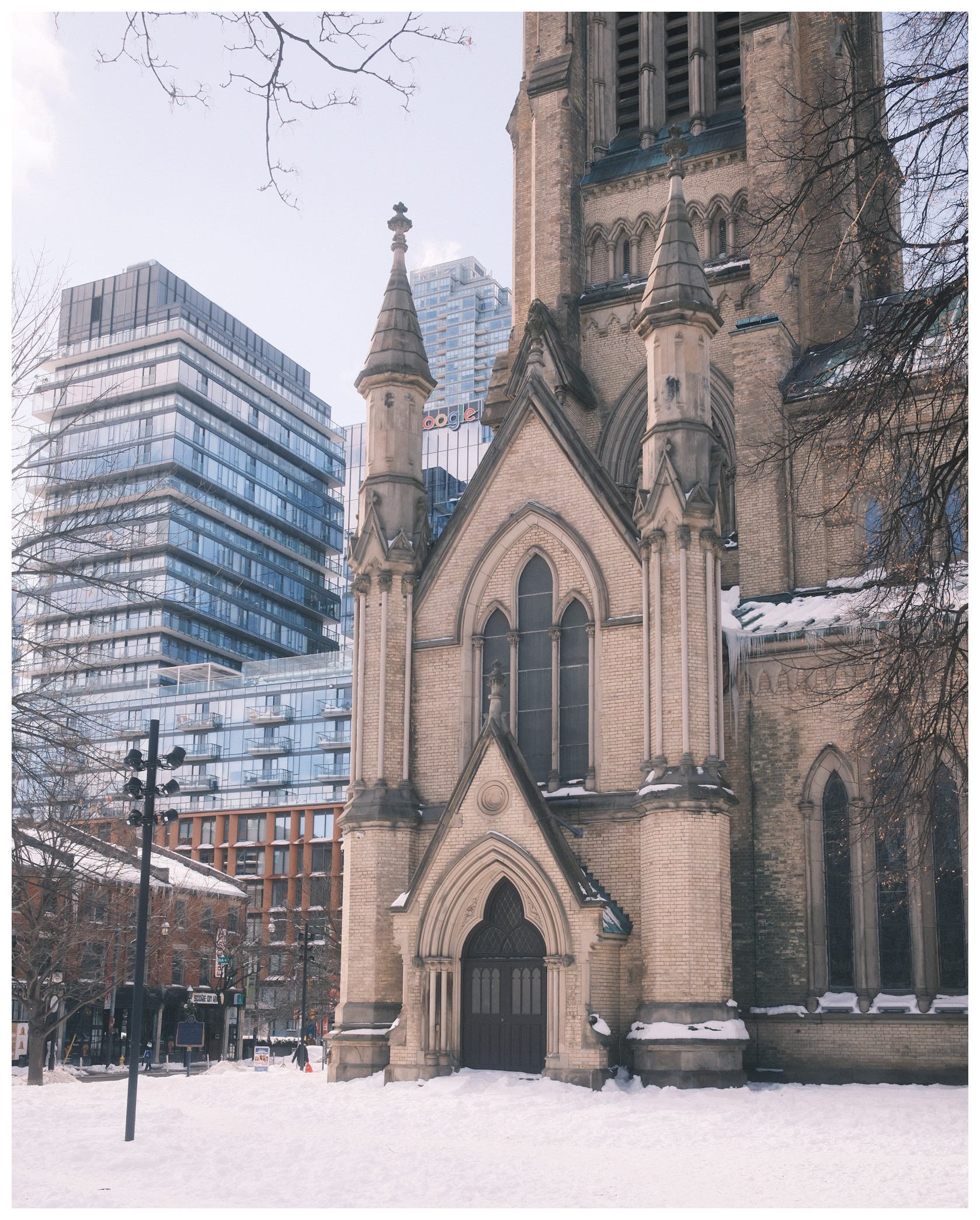
When shooting winter scenes with this recipe, I tend to expose slightly past neutral.
Just enough to brighten the whites and wash them out a bit. That small push helps avoid the grey look you often get when you expose winter scenes dead-on. Snow and light surfaces feel brighter and cleaner, without losing detail.
Classic Continental holds highlights well, so you have some room to do this without things falling apart.
Light And Overall Look
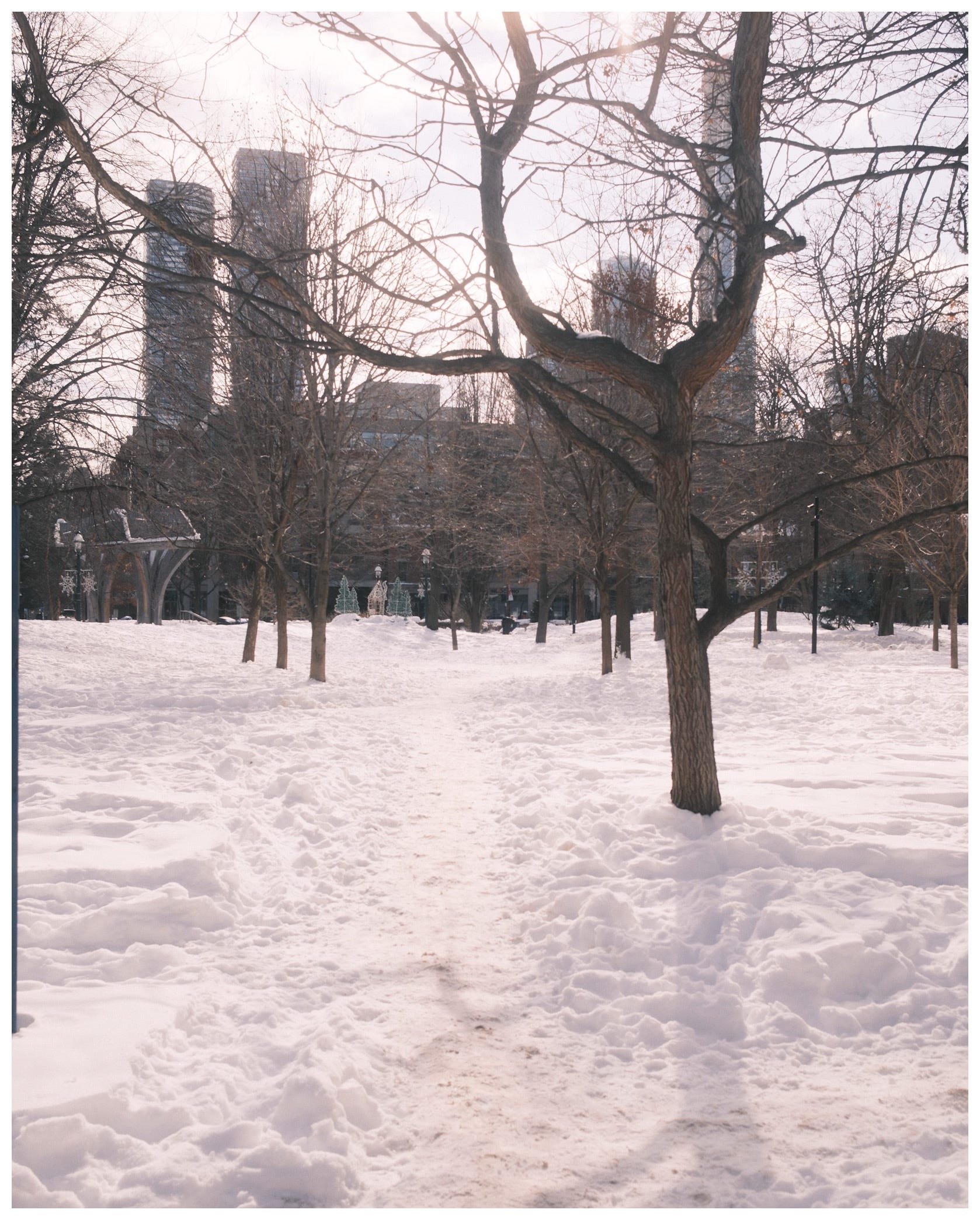
This recipe works best in bright scenarios.
It doesn’t rely on heavy contrast or strong color to carry the image. Instead, it stays neutral and lets the available light do the work.
That makes it easy to use across a lot of situations. You’re not constantly adjusting or fighting the look.
Colour And Contrast
Classic Continental is a very neutral Fujifilm recipe.
It doesn’t lean too warm in bright environments like a lot of Fuji looks. It doesn’t try to add nostalgia or mood where it doesn’t belong. Colors stay natural and balanced.
Snow doesn’t go yellow. Shadows don’t get crushed. Contrast feels slightly softened, almost vintage, but still clean.
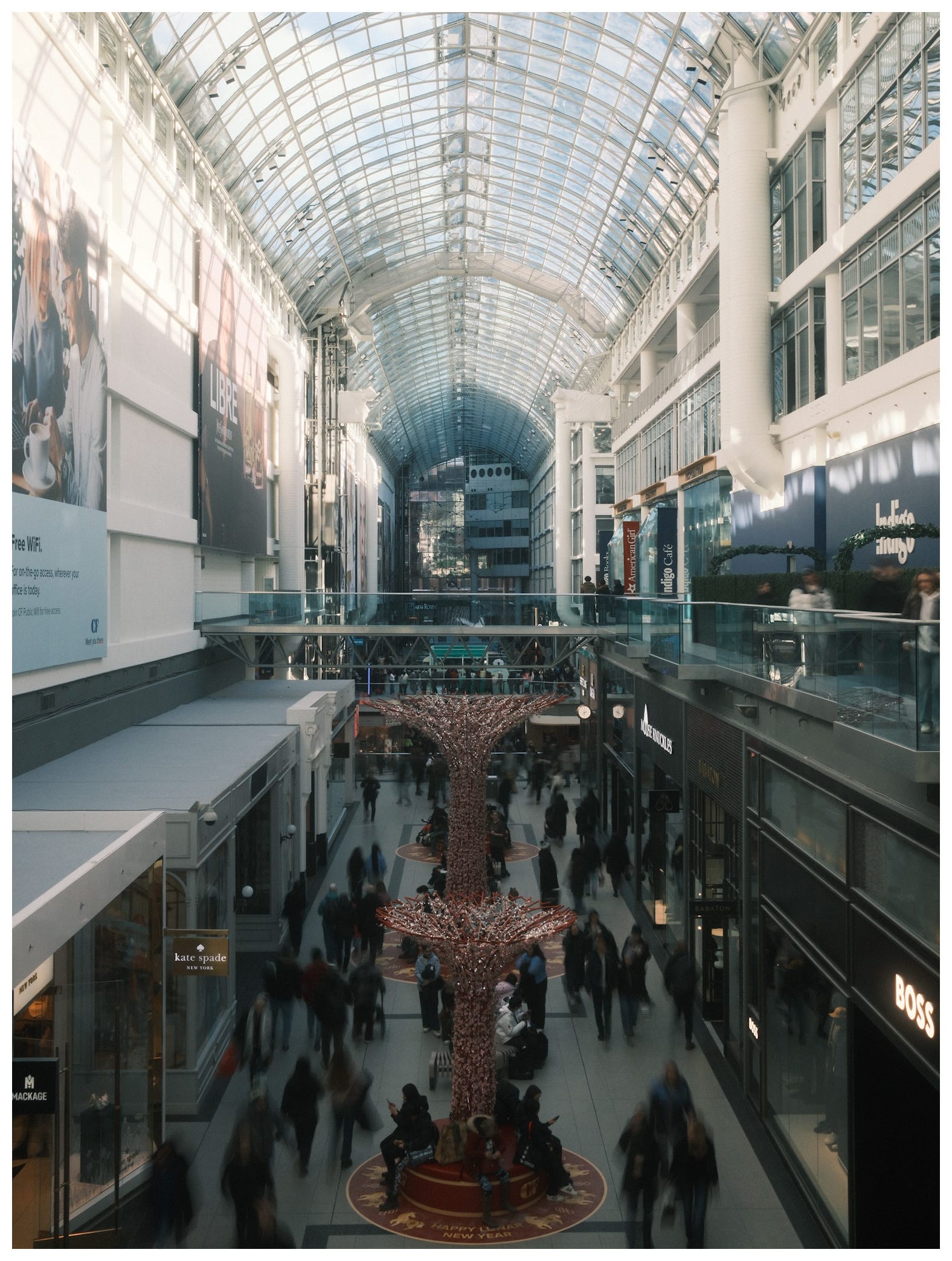
However, when brought into a darker environment, a warmer tint will appear.
I’ll be testing it soon in Mexico, where the light is stronger and the colors are more intense. I’m curious to see how it handles heat and saturation compared to winter.


Motion Blur And The Built-In ND Filter
One thing I’ve been really into lately is motion blur, and the built-in ND filter on the Fujifilm X100VI makes that easy to do.
Being able to slow the shutter in bright conditions changes how the city shows up in photos. People turn into movement instead of subjects. The buildings and infrastructure stay solid and in focus.
That feels right for a city.
There are so many people moving through it that you can blend into the crowd. Motion blur reflects that. The city stays. The people pass through.
It creates a sense of space and anonymity that you don’t really get in smaller towns.
Why This Combination Works
Classic Continental pairs well with this approach.
Because contrast is controlled and colours stay neutral, motion blur doesn’t feel messy. Shapes stay readable. The architecture holds its weight. Busy scenes still feel calm.
Let me know what recipe I should try next!
Film Recipe Details
Classic Continental by RichardGPhotography
Film Simulation. Classic Neg
Grain. Small, Weak
Color Chrome Effect. Weak
Color Chrome FX Blue. Weak
White Balance. Auto, R+3, B-2
Dynamic Range. Auto
Highlights. -1
Shadows. -0.5
Color. +1
Sharpness. -1
Noise Reduction. -4
Clarity. 0
Great photos! Tho definitely looks like a recipe suited well for bright daylight conditions. If you haven’t already, check out “Ross and his JPEGs”. He has a lot of really great Fuji recipes to try, but my personal favorite is “Soft Chrome”